
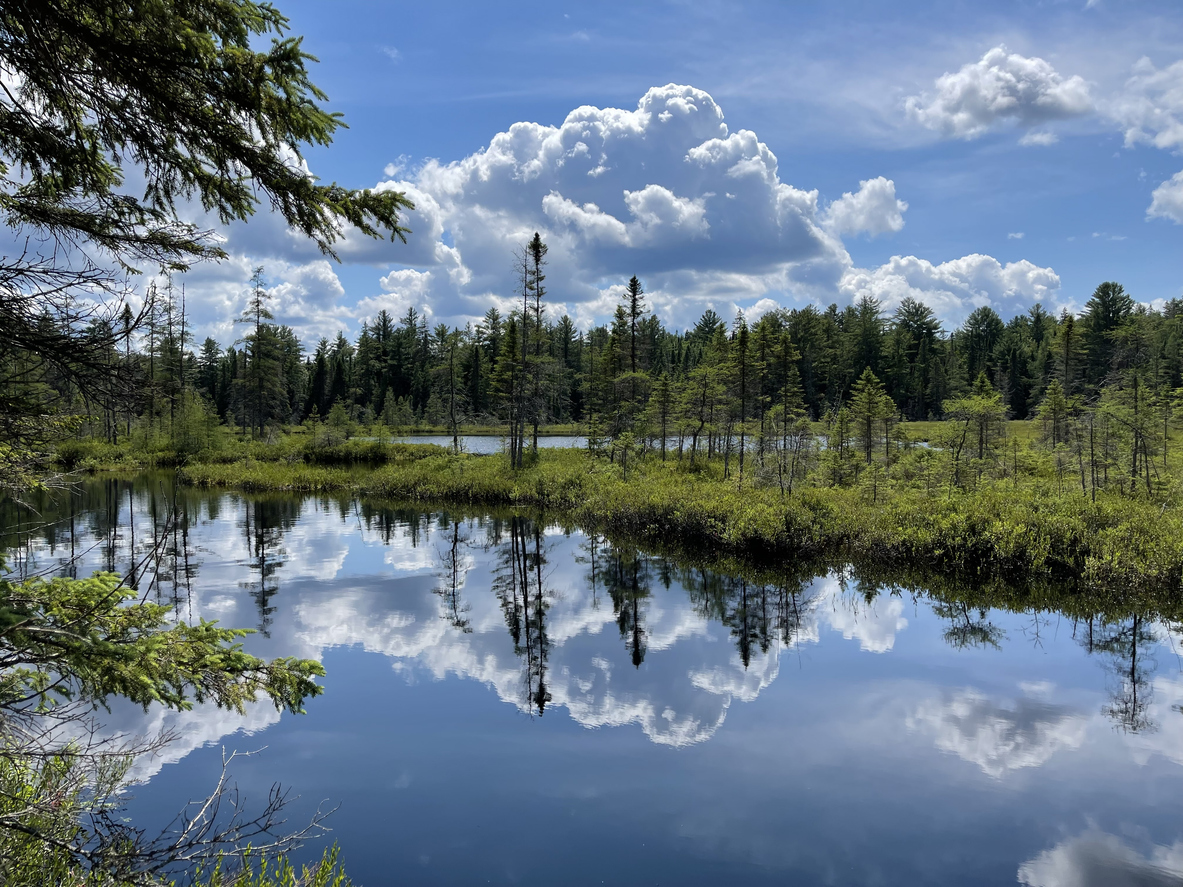
Canada’s vast and diverse landscape is home to some of the world’s most breathtaking wilderness areas. While national parks like Banff and Jasper often steal the spotlight, Canada’s provincial parks are equally deserving of praise. Managed by each province, these parks offer a range of outdoor experiences, from serene canoe routes and rugged mountain hikes to quiet beaches and historic landmarks. Whether you’re an avid camper or a casual day-tripper, provincial parks provide accessible and often less crowded alternatives to their national counterparts.
Here’s our ranking of the top provincial parks across Canada — based on natural beauty, outdoor activities, ecological significance, and visitor experience.
1. Algonquin Provincial Park, Ontario
No list would be complete without Algonquin, the crown jewel of Ontario’s park system. Established in 1893, it’s not only Ontario’s oldest provincial park but also one of the most visited. Spanning over 7,600 square kilometres, Algonquin is famous for its pristine lakes, hardwood forests, and abundant wildlife, including moose and wolves. The park offers extensive canoe routes and over 1,500 kilometres of canoeable waters. In autumn, the park becomes a hot spot for fall foliage photography. Don’t miss the Highland Backpacking Trail or the visitor centre’s impressive lookout.
Top activity: Multi-day canoe camping
Best time to visit: September for fall colours and fewer bugs
2. Wells Gray Provincial Park, British Columbia
Often dubbed “Canada’s Waterfall Park,” Wells Gray in B.C.’s interior is a paradise for those seeking unspoiled wilderness. Home to more than 40 waterfalls, the most famous being Helmcken Falls, this park is a dream for hikers, kayakers, and wildlife watchers. Its relative remoteness means fewer crowds, making it ideal for backcountry adventures. The Clearwater River provides world-class whitewater paddling, and the alpine meadows burst into bloom each summer.
Top activity: Hiking to waterfalls
Best time to visit: Late spring to early summer for waterfall volume and wildflowers
3. Gros Morne National Park – Honourable Mention, Newfoundland and Labrador
Technically a national park, Gros Morne deserves a mention due to its geological uniqueness and the fact that Newfoundland and Labrador’s provincial park system is less extensive. The park is a UNESCO World Heritage Site, boasting fjords, cliffs, and the rare Tablelands — an exposed section of the Earth’s mantle. It’s a hiker’s paradise and offers a window into the planet’s ancient past.
Top activity: Gros Morne Mountain Trail
Best time to visit: July to September
4. Mont-Tremblant National Park (Parc national du Mont-Tremblant), Quebec
Though part of Quebec’s Sépaq system and technically considered a provincial park, Mont-Tremblant has national park status within the province. It’s one of the most scenic and diverse parks in Eastern Canada. Just two hours from Montreal, the park offers canoeing, rock climbing, and over 400 lakes. In winter, cross-country skiing and snowshoeing trails transform the park into a snowy wonderland.
Top activity: Canoe camping in La Diable sector
Best time to visit: Summer for paddling, winter for snow sports
5. Wapusk Provincial Park, Manitoba
For the truly adventurous, Wapusk is unlike any other. Located in the subarctic region near Churchill, Manitoba, it’s one of the best places in the world to view polar bears in the wild. Access is limited and requires a guided tour, but the experience is unforgettable. The park also protects vital habitat for caribou, Arctic foxes, and migratory birds.
Top activity: Wildlife viewing (especially polar bears)
Best time to visit: October to November for polar bear sightings
6. Cape Chignecto Provincial Park, Nova Scotia
Perched on the rugged Bay of Fundy coast, Cape Chignecto is Nova Scotia’s largest provincial park and a hiker’s haven. Its dramatic sea cliffs, secluded coves, and sweeping views of the world’s highest tides make it a must-visit for anyone exploring Atlantic Canada. The 52-kilometre coastal loop trail is challenging but rewarding, taking backpackers through old-growth forest and along towering cliffs.
Top activity: Multi-day coastal hike
Best time to visit: June to September
7. Cypress Hills Interprovincial Park, Alberta and Saskatchewan
This unique park straddles the Alberta–Saskatchewan border and offers a surprising landscape in an otherwise prairie environment. At over 1,400 metres, Cypress Hills is one of the highest points between the Rockies and Labrador. The park features lodgepole pine forests, rolling hills, and star-filled skies — it’s a designated dark-sky preserve. With excellent camping, mountain biking, and winter activities, it’s a year-round destination.
Top activity: Stargazing and hiking
Best time to visit: Summer for camping, winter for cross-country skiing
Honourable Mentions
- Killarney Provincial Park, Ontario – Famed for its white quartzite cliffs and turquoise lakes, popular with paddlers and artists alike.
- Prince Albert National Park, Saskatchewan – Again, technically a national park, but with a provincial feel in terms of accessibility and activities.
- La Mauricie National Park, Quebec – A wilderness gem nestled between Montreal and Quebec City, rich in lakes and trails.
Visit Your Favourite Provincial Park Today
Canada’s provincial parks are incredibly diverse and deserve as much recognition as their national counterparts. Whether you’re exploring coastal cliffs in the Maritimes, paddling through Ontario’s backcountry, or hiking through B.C.’s wild interior, each park offers a unique slice of Canada’s natural beauty. These protected areas not only provide recreation but also play a critical role in conservation and education.
So next time you’re planning a getaway, consider venturing beyond the usual national park favourites. Canada’s provincial parks are waiting to be discovered — and they might just surprise you.