
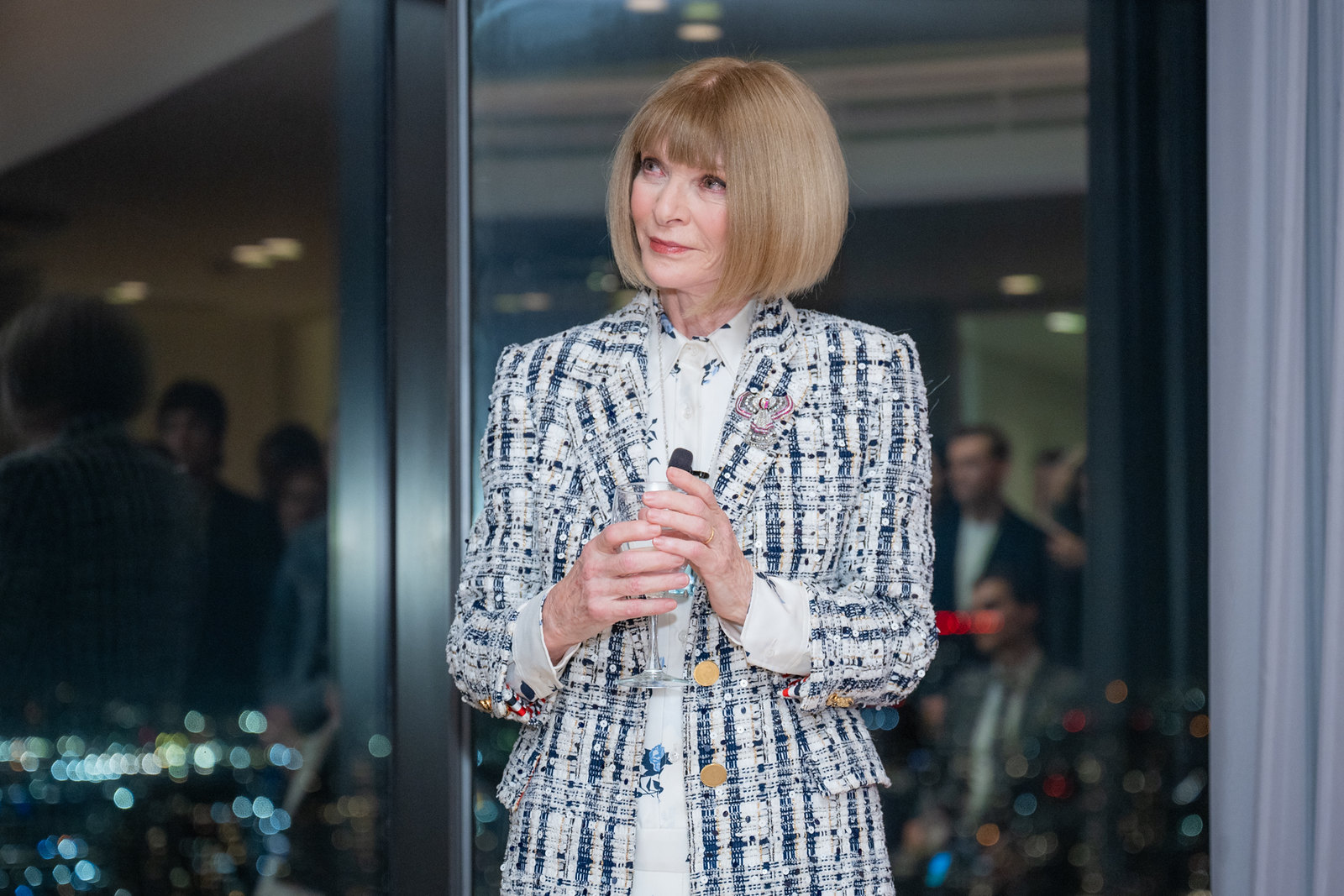
Last week, the fashion world was shaken by the news that Anna Wintour is stepping down as Editor-in-Chief of American Vogue after an extraordinary 37-year tenure. Her decision marks the end of one of the most influential eras in fashion journalism and signals a new direction for both Vogue and its parent company, Condé Nast.
A Visionary Career That Shaped Fashion Media
Anna Wintour began her journey with Vogue in 1983 as Creative Director and took over the helm as Editor-in-Chief in 1988. Her first cover, featuring Michaela Bercu in a Christian Lacroix jacket and stonewashed jeans, set the tone for her editorial reign—a daring blend of high fashion and street style that challenged industry norms.
Over nearly four decades, Wintour redefined what fashion media could be. She expanded the scope of Vogue to include celebrities, politicians, athletes, and cultural icons. Under her leadership, the magazine became a tastemaker not just in clothing, but in culture itself. She championed new designers, elevated emerging voices, and transformed the Met Gala into the fashion industry’s most prestigious annual event.
Wintour’s Vogue was about more than clothes—it was about the zeitgeist. Her editorial instinct, known for being both visionary and exacting, turned the magazine into a cultural compass that shaped the way the world saw beauty, power, and influence.
Holding the Reins of a Global Media Empire
Beyond Vogue U.S., Wintour’s influence grew exponentially. She became Chief Content Officer of Condé Nast and Global Editorial Director for Vogue, overseeing editions in more than 25 countries. Her global vision integrated the brand across continents, streamlining operations while elevating editorial consistency.
Even as she steps down from her role at Vogue U.S., she will continue in these international leadership roles. She will remain at the centre of Condé Nast’s most prestigious cultural events, such as the Met Gala and Vogue World. Her legacy will continue to influence the brand’s direction, even as new leaders emerge.
The Shift in Structure: A New Editorial Era
Wintour’s departure from the Editor-in-Chief role is part of a broader structural shift at Condé Nast. The title itself is being phased out in the United States and replaced by “Head of Editorial Content,” mirroring similar transitions in other global markets.
This change reflects the evolving nature of publishing, where digital platforms, social media, and cross-market collaboration are redefining how editorial teams operate. The new Head of Editorial Content for Vogue U.S. will report directly to Wintour in her global role, ensuring continuity while allowing space for a new editorial voice to emerge.
While the specifics of her successor have yet to be finalized, the change offers an opportunity to infuse the brand with fresh perspectives. The next leader will inherit a powerful legacy but will also face the challenge of guiding Vogue through a rapidly shifting media landscape.
Critique and Complication
Wintour’s legacy, while largely celebrated, is not without its complications. Her role in shifting Vogue towards celebrity culture drew criticism from those who missed its earlier focus on haute couture and artistic editorial. In later years, she also faced scrutiny for the magazine’s political and cultural leanings, with some accusing Vogue of becoming too partisan or exclusionary.
Yet these critiques are part of what made Wintour so impactful. She never played it safe. She took risks, disrupted traditions, and steered Vogue to become a publication that didn’t just report on culture—it helped shape it.
Her portrayal in the book and film The Devil Wears Prada cemented her image in the public imagination as the ultimate fashion authority—cold, commanding, but unflinchingly brilliant. While the depiction exaggerated elements of her persona, it also reflected the mystique she cultivated throughout her career.
Looking Ahead
As Wintour transitions into her more global, strategic role, she leaves Vogue U.S. on solid ground but ready for reinvention. Whoever steps into the new editorial leadership position will have a chance to build on a remarkable foundation and bring their own voice to the brand.
Wintour herself has expressed excitement about the future. She has spoken of her desire to mentor the next generation of editors and support new talent across the fashion media landscape. In many ways, she’s not stepping away from power—she’s redefining it for a new era.
A Lasting Influence
Anna Wintour’s departure as Editor-in-Chief marks a turning point for Vogue and the fashion industry at large. Her decades of leadership transformed a magazine into a movement, shaping fashion, culture, and media in ways that few others have.
Though she may no longer be at the editorial desk every day, her influence will be felt for years to come. As a global icon, industry strategist, and cultural architect, Anna Wintour remains a defining force—not just of fashion, but of modern storytelling itself.
Photo: UKinUSA from https://www.flickr.com/photos/31430487@N05/54106474312/