

For a long time, exfoliation was positioned as one of the most important steps in achieving good skin. From acids and scrubs to retinol and resurfacing treatments, the message was clear: remove, resurface, repeat. The smoother the skin, the better the routine.
But somewhere along the way, skincare became more layered, more active—and for many people, more aggressive than intended.
Today, dermatologists and beauty editors alike are pointing to a quiet but increasingly common issue: over-exfoliation. Not from a single product, but from the cumulative effect of multiple exfoliating steps used together, often without realizing how much the skin is being asked to tolerate.
At the center of it all is the skin barrier. This outermost layer plays a crucial role in keeping hydration in and irritants out. When it’s healthy, skin tends to feel comfortable, balanced and resilient. When it’s compromised, it usually doesn’t stay quiet for long.
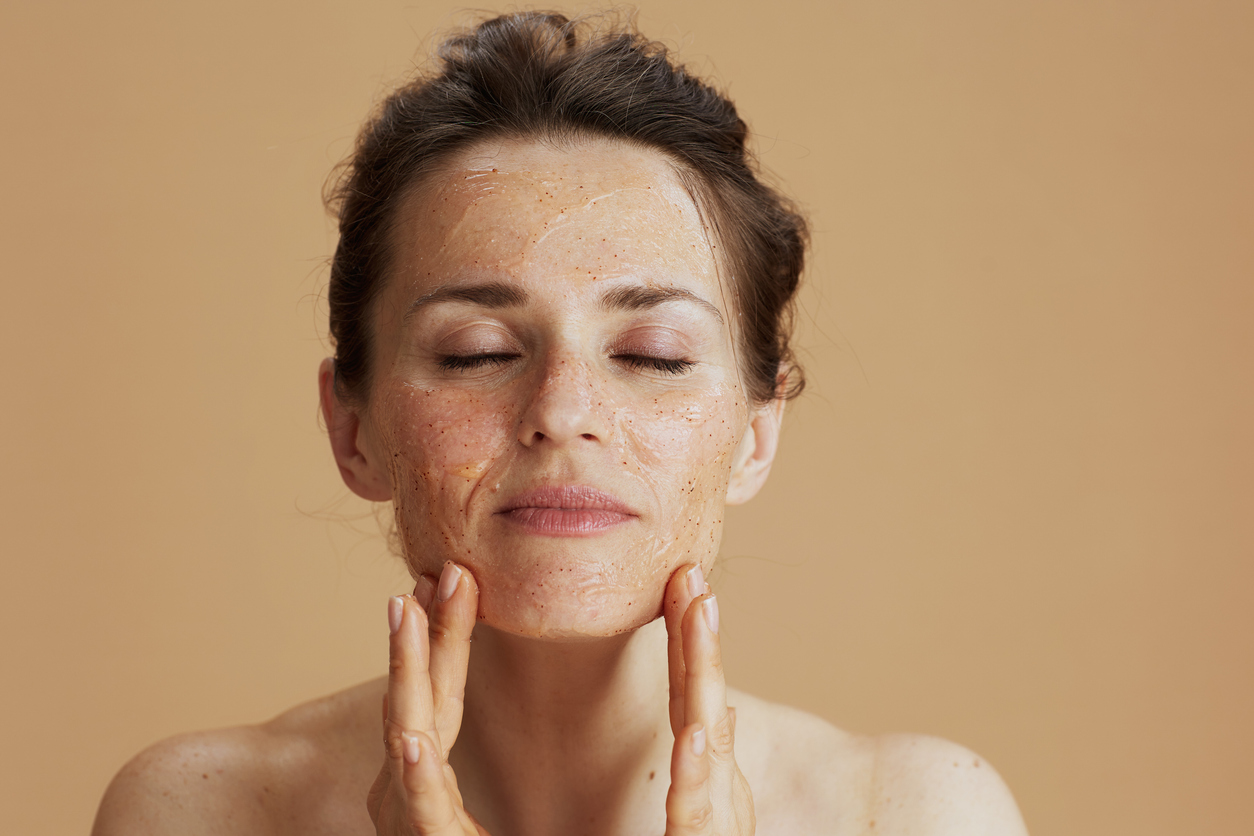
Common Signs of Over-Exfoliation
One of the earliest signs of over-exfoliation is sensitivity that feels out of character. Products you’ve used for months—sometimes years—may suddenly sting or feel uncomfortable on application. What used to feel like a normal skincare routine can start to feel reactive.
Dryness is another common clue, but not always in the way people expect. Over-exfoliated skin can feel tight even after moisturizing, as though nothing is quite enough to restore comfort. In some cases, flaking or rough patches appear, often prompting the instinct to exfoliate even more—when in reality, the skin may need the opposite.
There’s also a less intuitive shift that can happen: skin that becomes both dry and slightly congested at the same time. When the barrier is disrupted, the skin can struggle to regulate itself properly, sometimes leading to unexpected breakouts, redness or uneven texture.
Many people mistake these symptoms for a need to use stronger products. In reality, they can be signs of skin barrier damage and an indication that the skin needs time to recover.
The tricky part is that many of the ingredients behind these effects are not inherently problematic. Alpha hydroxy acids (AHAs), beta hydroxy acids (BHAs), retinoids and even exfoliating cleansers are widely recommended and can be highly effective. The issue tends to arise when several of them are combined too frequently or used without adequate recovery time in between.
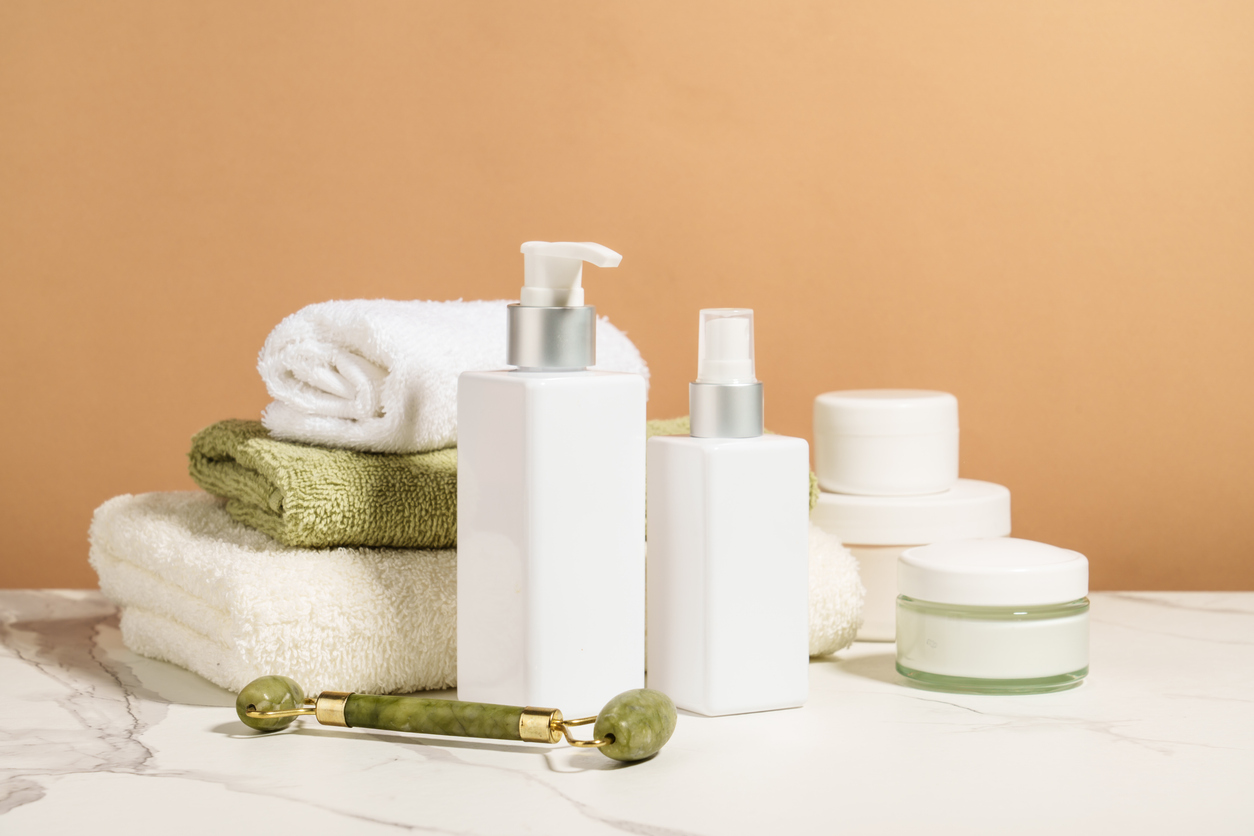
How to Repair Your Skin Barrier
Simplify. Strip your routine back to the essentials and temporarily remove exfoliating acids, retinoids and other resurfacing treatments. Giving the skin a break is often the fastest way to reduce irritation and allow it to recover.
Focus on hydration and barrier support. A gentle, non-stripping cleanser paired with a moisturizer containing ingredients like ceramides, glycerin and hyaluronic acid can help replenish moisture and support a damaged skin barrier.
Wear sunscreen daily. Daily sunscreen is especially important while the barrier is compromised, as sensitized skin can be more vulnerable to environmental stressors and UV damage.
Give it time. Skin doesn’t need to be constantly pushed to improve. Once irritation settles and comfort returns, active ingredients can be reintroduced gradually and with more intention.
What often surprises people is how quickly skin can respond when it’s given the chance to recover. Without the constant cycle of exfoliation, repair and irritation, the skin barrier has room to recalibrate. The result isn’t just calmer skin—it’s often stronger, healthier and more consistent skin.